
Understanding Your Numbers Can Help You on the Way to Wellness
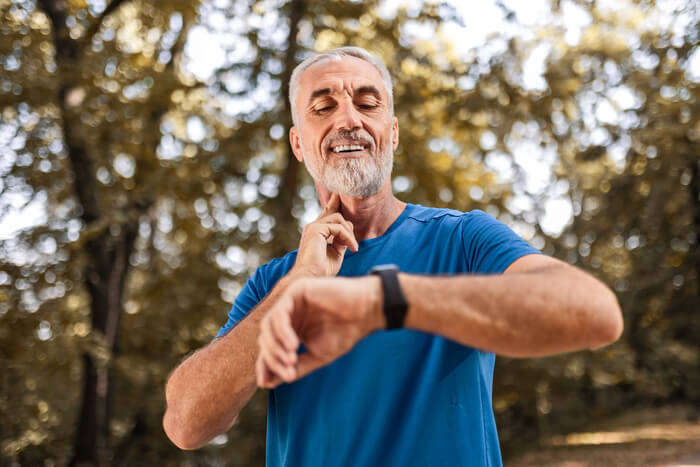 In healthy adults, a normal resting heart rate is generally between 60 and 100 beats per minute while you’re awake, still and comfortable. A lower rate means that your heart doesn’t have to work as hard to pump blood through your body. However, this rate can vary at times, depending on your age, body type, overall health and daily activity level.
Factors that affect your heart rate
Many factors – both ones you can control and those you can’t – can raise your heart rate because they activate either the sympathetic nervous system (your "fight or flight" response) or they increase your body's demand for oxygen. These can include physiological or “normal” causes, personal habits and some medical conditions. Here’s an overview:
Physiological:
- Exercising
- Experiencing stress, anxiety, fear or pain
- Feeling excited or surprised
Personal Habits:
- Consuming stimulants such as caffeine, nicotine, alcohol or illicit substances
- Vaping
- Not drinking enough water, which can lead to dehydration
- Not getting enough sleep
Medical Conditions:
- Having a fever or infection
- Hyperthyroidism
- Anemia
- Low blood pressure
- Low oxygen levels
- Heart failure
- Shock
- Cardiovascular disease
- Diabetes
- High cholesterol
Some activities, especially cardiovascular exercise, can raise your heart rate in a safe, healthy way by increasing your endurance, circulation and overall fitness. These activities include:
- Brisk walking
- Hiking
- Jogging/running
- Cycling
- Swimming
- Aerobic dance workouts
- Jumping rope
- Rollerblading/roller skating
- Doing squats and lunges
- Using an elliptical or rowing machine
How high should your heart rate go?
With moderate exercise, a healthy adult’s heart rate can increase at a rate of 50-70% of your maximum heart rate. For example, while moderately exercising, a 40-year-old with a maximum heart rate of 180 beats per minute (bpm), could experience an increase to 90-126 bpm. This rate increases to 70-85% of your maximum heart rate as your exercise becomes more intense. An example here would be for the same 40-year-old with a maximum heart rate of 180 bpm to increase to 126-153 bpm with vigorous exercise.
Always check with your doctor before beginning any new activity.
How to measure your heart rate
The best time to check your resting heart rate is when you first get up in the morning. There are several ways to check your heart rate. Find which method works best for you below.
Using Your Pulse
- Wrist or Radial Method: Place your index and middle fingers under the thumb of your opposite hand’s wrist. Press lightly until you feel your pulse. Count the beats for 30 seconds, then multiply by 2 (or count for 15 seconds and multiply by 4).
- Neck or Carotid Method: Gently place your index and middle fingers on one side of your windpipe/throat area. Count the beats for 30 seconds, then multiply by 2. Be sure not to press both sides of your windpipe at once.
Heart-Rate Monitors
- Chest Strap: A chest-strap monitor is usually very accurate and tracks your heart rate by connecting to your phone, watch or workout equipment.
- Wrist Monitors with Optical Sensors: Found in smartwatches and wearable fitness trackers, these devices shine light into the skin and detect changes in blood flow as your activity increases and decreases.
Phone Apps
The accuracy of checking your heart rate via a phone app varies, but it can be a good way to generally and quickly check your pulse. These apps use the phone’s camera and flash to monitor your heart rate by measuring how the color of your fingertip changes with each heartbeat.
Gym Equipment
Most gym equipment, including treadmills, bikes, and ellipticals, have a built-in heart-rate monitor that has moderate accuracy when used correctly, and can be useful when you want to keep an eye on your heart rate during workouts.
At-Home Blood-Pressure Monitors
Most blood-pressure monitors have a feature that automatically shows your pulse.
How to slow down an elevated heart rate
When your heart rate becomes abnormally high (above your normal resting heart rate) such as after exercising or during high levels of stress or anxiety, and is making you feel uncomfortable, there are several ways you can slow it down:
-
Engage in slow, deep breathing
This activates the parasympathetic nervous system, which is one of the quickest, most effective and non-medical ways to slow down your heart rate. To do this, breathe in for 4 seconds, hold for 2 seconds, then exhale for 6 seconds. Repeat this cycle for 1-2 minutes. -
Sit or Lie Down
This works well when your heart rate is elevated from standing too long, feeling overheated, overexerting yourself or feeling high levels of stress and/or anxiety. Simply resting can lower your heart rate within minutes. -
Drink Water
When you’re dehydrated, your blood loses volume and causes your heart to beat faster in order to pump more blood through your body. Hydrating can help reregulate your heart rate after you’ve perspired a lot from exercise or you have not drunk enough water. -
Relaxation Techniques
Activities such as meditation, yoga, tai chi and mindfulness can generally help lower your stress levels and thus, your heart rate. -
Eat a Heart-Healthy Diet
Eating well can put less strain on your heart over the long term. Foods to consider including in your diet are: fruits and vegetables, fish and other forms of Omega-3 fatty acids such as flax seeds and walnuts, lean proteins such as chicken and fish, and foods with low sodium.
Understanding arrhythmia
A heart arrhythmia is an irregular heart beat and can feel like a fluttering, pounding or racing heartbeat. Other symptoms may include anxiety, extreme tiredness, sweating, lightheadedness or dizziness and fainting (or feeling like you’re going to faint). Or sometimes, the heart can beat too fast, over 100 bpm (tachycardia) or too slow, under 60 bpm (bradycardia) or have an inconsistent pattern. An irregular heartbeat can be harmless, but sometimes it can be life threatening.
When to talk to your doctor or seek immediate medical help
Contact your doctor if your heart rate has been slower or faster than usual or if you experience dizziness, weakness or feeling like you might faint.
Call 911 or head to the nearest emergency room if your heart rate is suddenly very high or very low compared with your normal rate, especially if you have symptoms including:
- Chest pain
- Shortness of breath
- Dizziness
- Fainting