
It Takes a Village to Advance Skin Cancer Prevention
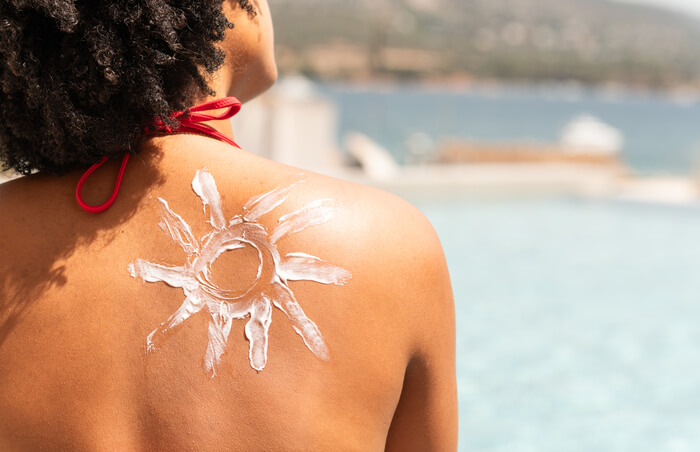 Skin cancer is the most diagnosed form of cancer in the United States, with nearly six million people treated every year. However, most skin cancer cases are preventable, especially with the right programs in place. While it’s important for individuals to take the proper precautions before, during and after sun exposure, communities can help advocate for healthier fun in the sun.
What are common variations and causes of skin cancer?
There are several types of skin cancer:
- Basal cell carcinoma. May appear as a small white or flesh-colored bump on the outer layer of skin. Found on areas exposed to the sun. The spot may eventually bleed.
- Squamous cell carcinoma. Thin, flat, scaly skin cancer cells found in surface tissue.
- Melanoma. When a mole changes shape, size, color or elevation and starts to itch or is tender, these are early signs of melanoma.
Basal cell and squamous cell carcinoma are treatable, but the procedure can be expensive and may leave scars. Unfortunately, melanoma is typically the skin cancer diagnosis that can be fatal and should be addressed at the earliest signs. Genetic factors — such as fair-skin or a family history of the condition — may increase cancer risks. But the main cause of skin cancer is overexposure to ultraviolet radiation (UV) from the sun or indoor devices — including tanning beds, booths and sun lamps. While the number of tanning booth-related cancer diagnoses has dropped over the years, there’s still a high rate of melanoma cases and deaths, especially among young people. There are ways to help reduce the risk of skin cancer, but it takes education, communication, healthy habits and community policies to help drive results.
How to check and treat for skin cancer
Whether you spend many hours outside or not, it couldn’t hurt to regularly check yourself for signs of skin cancer, especially if you have multiple moles. Caregivers and friends can also speak up when they notice certain suspicious skin spots on others. Don’t overlook less visible areas, such as the soles of your feet when you’re doing a spot check. Report any changes to your doctor. A healthcare provider can screen for skin cancer before symptoms appear, especially if you have a high risk or previous cases. Once melanoma symptoms arise, a biopsy can be done to test the tissue for cancer cells. Skin cancer treatment depends on the type, stage, location and size of the tumor. A patient’s overall health is also considered. Types of treatment can include surgery, medications and/or targeted therapies. Additional tests can be done to determine whether the cancer has spread to other areas of the body.
What can I do to help prevent skin cancer?
Even if you spend time outdoors, you can take steps to help decrease your risk of skin cancer. You should just increase your use of sun protection:
- Apply broad-spectrum sunscreen with a sun protection factor (SPF) of at least 15. Reapply after swimming, sweating or prolonged sun exposure.
- Wear a wide-brimmed hat, sunglasses, long sleeves and/or pants
- Seek shaded areas
- Limit your time outdoors, especially when the sun is at its peak in the afternoon
Preventing sunburn not only decreases the chances of skin cancer, but it also helps prevent premature skin aging and sun damage. UV exposure from indoor tanning is completely avoidable. It is best to stay away from these artificial devices. Not only will you reduce the risk of skin cancer, but you can also prevent additional burns and eye damage.
How can the community adopt skin cancer prevention programs?
Community leaders and residents can help create a safer sunny environment. The key is to recognize what causes skin cancer and implement protection strategies, such as:
- Creating more access to shaded areas in neighborhoods, outdoor workplaces and recreational settings
- Limiting excessive, avoidable and unnecessary UV exposure
- Providing timely education and resources on effective sunscreen and other preventive measures
- Increasing awareness on the effects of tanning devices and tailoring messages to specific audiences
- Discussing social pressures related to tanning regarding beauty and health awareness
- Fostering healthy sun habits starting at an early age, especially for children involved in outdoor camps and athletics
- Promoting policies that advocate for research and evaluation of UV protection and skin cancer prevention, particularly those that include age restrictions and permissions for indoor tanning
From local government and healthcare organizations to workplaces, schools and families, everyone plays a role in raising awareness of skin cancer and taking action to reduce risks. When people have the information they need, they can make healthier, informed choices about sun protection. It takes dedication, coordination and an investment in research, surveillance and education. But the result could be a sunnier, safer environment for all.
Sources: National Institutes of Health; U.S. Centers for Disease Control and Prevention; U.S. Department of Health and Human Services