
These Simple Steps Make It More Likely You’ll Achieve the Goals You Set
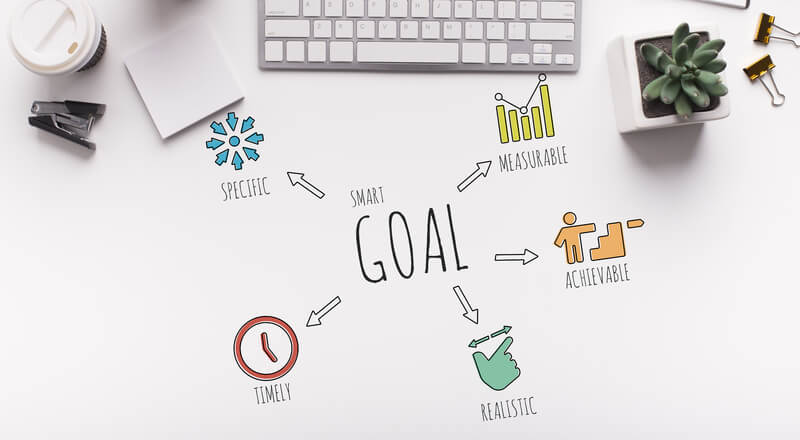 A new year often brings a fresh surge of motivation. You may feel ready to eat better, move more or take better care of your mental health. But as many people know, setting goals on January 1 is easy. Sticking with them once life gets busy is the hard part. That's why so many resolutions fade by February. Many people struggle with goal setting because they aim too high or try to change too much at once. Big goals can be inspiring at first, but they often become overwhelming fast. You may also pick a goal that's not specific enough. Another reason goals fail is because motivation rises and falls. That's why building habits that fit your life even when you're tired or stressed is more helpful than relying on willpower alone. It's also important to give yourself grace. Progress is almost never perfect, and one off day doesn't mean you've failed. So, how can you set goals that truly stick? These tips can help you stay on track and feel proud of your progress along the way:
- Make goals specific. Instead of setting a goal like "exercise more," try something clear and doable. For example, aim to walk for 20 minutes after work three days a week. Specific goals give you direction and make it easier to measure progress.
- Start small. Minor changes are more likely to become habits. If eating healthier is your goal, begin by adding one serving of vegetables to dinner or swapping sugary drinks for water a few days a week. Small steps build confidence and lead to bigger success.
- Focus on what you can control. You can't change everything about your health, but you can control your daily actions. Choosing home-cooked meals more often or limiting screen time before bed are behaviors you can manage, even on tough days.
- Write goals down. Putting your goals in writing keeps them fresh in your mind and helps you stay committed. You can keep them on your phone, stick them on your fridge or use a journal.
- Track your progress. Many people find that tracking steps, meals or sleep helps them stay motivated. Progress tracking helps you notice patterns, celebrate wins and adjust your plan if needed.
- Build a support system. Sharing your goals with a friend, family member or support group can make a difference. Having someone to check in with can help you stay encouraged and accountable.
- Give yourself grace and stay flexible. Life happens. If you miss a workout or have an off week, don't give up. Adjust your plan and keep moving forward. Feeling guilty only makes goals harder to reach.
- Celebrate the small wins. Every positive step counts. Celebrating small victories helps you stay motivated and reminds you that change takes time.
Setting realistic health goals isn't about being perfect. It's about making steady, meaningful changes that help you feel better every day. When you set realistic goals that fit your life, you're far more likely to do what it takes to reach them.
Copyright 2025 © Baldwin Publishing, Inc. Health eCooks® Heart Healthy Recipes® is a registered trademark of Baldwin Publishing, Inc. Any duplication or distribution of the information contained herein without the express approval of Baldwin Publishing, Inc. is strictly prohibited. Date Last Reviewed: November 20, 2025 Editorial Review: Andrea Cohen, Editorial Director, Baldwin Publishing, Inc. Contact Editor Medical Review: Perry Pitkow, MD Learn more about Baldwin Publishing Inc. editorial policy, privacy policy, ADA compliance and sponsorship policy. No information provided by Baldwin Publishing, Inc. in any article is a substitute for medical advice or treatment for any medical condition. Baldwin Publishing, Inc. strongly suggests that you use this information in consultation with your doctor or other health professional. Use or viewing of any Baldwin Publishing, Inc. article signifies your understanding and agreement to the disclaimer and acceptance of these terms of use.