
Steps to Help Prevent Tick Bites (and the Diseases They Carry)
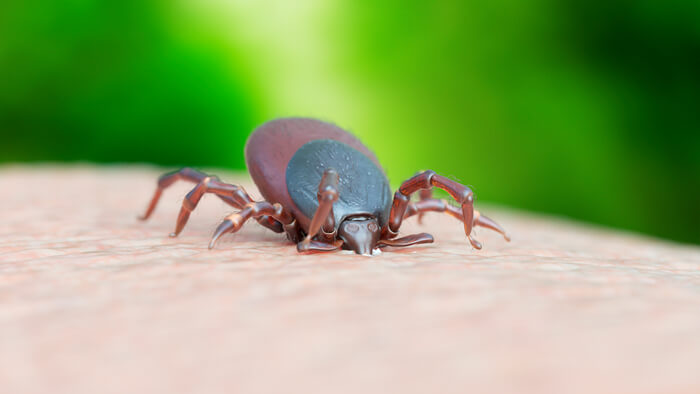 Spending time in the great outdoors is one of life’s greatest pleasures. Whether you are trekking through a dense national forest, camping by a serene lake or simply enjoying a weekend barbecue in your own backyard, nature offers a sense of relaxation. However, this outdoor bliss comes with a tiny, eight-legged caveat: ticks. As tick populations expand globally, the rates of tick-borne diseases, particularly Lyme disease, have skyrocketed. These tiny parasites are more than just a nuisance; they are formidable carriers of serious health conditions. Fortunately, you do not have to lock yourself indoors to prevent a tick bite. By understanding tick behavior, wearing the right protective gear and modifying your environment, you can enjoy nature with peace of mind. Wondering how to prevent tick bites? Here are some tick prevention tips — from repellents to landscape management — to help keep you and your family free of ticks this season.
Are all ticks the same?
Before tackling tick bite prevention, you should understand that different regions are home to different tick species, each carrying its own set of risks.
- The black-legged tick (deer tick): If you live in the Northeast, Mid-Atlantic or North-Central United States, you're in deer tick territory. This species can carry Lyme disease. Look for a small, flat, teardrop-shaped body with dark brown or black legs and an orange-red rear section on adult females.
- The Lone Star tick: Predominantly found in the Southeastern and Eastern United States, this aggressive tick is known for triggering alpha-gal syndrome, a severe allergy to red meat. You can identify the adult female by the distinct white dot (lone star) on her back.
When discussing how to prevent tick bites on humans, it's important to be aware of nymph tick season. Nymphs are juvenile ticks, roughly the size of a poppy seed. Because they are so small, their bites often go unnoticed. Nymphs are more active during the late spring and early summer, which happens to coincide with peak hiking and gardening seasons. Because they are difficult to spot, nymphs are responsible for transmitting many tick-borne infections. While there may be different types of ticks, they operate in the same way. Ticks don't jump, fly or drop from trees. Instead, they use a strategy known as questing. A tick holds onto a blade of grass or a leaf with its lower legs while keeping its upper legs outstretched, waiting for a host — whether a deer, dog, or human — to brush past. Once they make contact, the tick climbs aboard and searches for a warm, hidden spot to bite.
Gearing up to protect yourself from ticks
One way to avoid tick bites is to create a barrier between your skin and the environment. This means making smart clothing choices and using effective treatment options. Dress for the occasion The clothes you wear play an important role in tick prevention. When putting together an outfit for gardening or hiking in tall grass or dense woods, consider these tips:
- Light colors: Ticks are dark brown or black. Wearing light gray, khaki or white clothing makes it easier to spot a crawling tick before it reaches your skin.
- Tuck everything in: Create a closed environment. Tuck your shirt into your pants and your pant legs into a pair of tall, thick socks. Think about function over fashion. This outfit forces ticks to climb up the outside of your clothing, keeping them in plain sight.
- Closed-toe shoes: Sandals and flip-flops leave your feet and ankles vulnerable. Opt for sturdy hiking boots or sneakers.
Reinforce with treatment sprays
Physical barriers are great but pairing them with chemical repellents offers even more protection. When browsing the aisles of your local store, look for EPA-registered insect repellents. These products have been tested for safety and efficacy.
DEET vs Picaridin for tick protection
For decades, DEET has been a popular ingredient of insect repellents. However, it's also greasy, has a strong odor and can damage synthetic materials. Picaridin is a synthetic modeled after a compound found in black pepper plants. It can be as effective as DEET at repelling ticks, but it is odorless, non-greasy and is less likely to damage gear. While you apply DEET or Picaridin to your skin, you can also treat your clothing with Permethrin. This insecticide doesn't just repel ticks — it paralyzes and kills them on contact. There are pre-treated clothes that retains its tick-killing power for multiple washes, or you can purchase a spray bottle and treat your boots, socks, tents and backpacks yourself. Repellents formulated for humans should not be used on pets. Always consult your veterinarian for pet-friendly oral medications, tick collars or topical treatments.
How to navigate around ticks
To prevent tick bites, you can also change how you interact with nature. Your behavior on the trail can help reduce your exposure to questing ticks.
- Stay in the center of the trail. Ticks thrive on the edges of trails where grass meets the woods. By walking in the center of cleared paths, you minimize your contact with the vegetation where ticks are waiting.
- Be careful where you sit. Fallen logs, stone walls and piles of leaf litter are prime real estate for mice and chipmunks, which are other hosts for tick nymphs. If you need to rest, find a cleared patch of dirt, a sunlit rock or bring a portable camping chair.
- Be mindful of moisture. Ticks require high humidity to survive. They are more active in damp, shaded areas. Be extra cautious when walking through deep ravines, near swamps or through forests the morning after a heavy rain.
Securing your front yard and landscape
You don’t need to venture far to encounter ticks. Many people are bitten right in their own garden. Taking control of your property is an important step in tick bite prevention.
What are the high-risk tick zones?
Start by identifying tick habitats in your backyard. Ticks despise direct sunlight because it dries them out. Therefore, they congregate in shaded, humid microclimates. Common hot spots include the perimeter where your lawn meets the woods, overgrown brush piles, dense groundcover like ivy or pachysandra and layers of damp, unraked leaves.
Designing a tick-free landscape
There are several landscaping tips to help reduce the tick population around your home:
- Create a migration barrier. Ticks generally will not cross hot, dry surfaces. Create a three-foot-wide barrier of dry wood chips, gravel or crushed stone between your manicured lawn and any bordering wooded areas.
- Let the sunshine in. Prune back overgrown trees and shrubs to allow more direct sunlight to hit your yard. The drier and hotter your lawn is, the fewer ticks will survive there.
- Clean up debris. Regularly rake up leaf litter, remove old wood piles and clear out tall weeds around your patio and play areas.
- Move play areas. Situate children's swing sets, sandboxes and patios away from the edge of the yard and trees, ideally sitting in bright, sunny areas.
How to defend your yard naturally
You can still tick-proof your yard without heavy pesticides.
- Apply beneficial nematodes (microscopic worms) to your soil. These organisms actively hunt and kill tick larvae in the ground.
- Spray cedar oil solutions around the perimeter of your yard. This natural, non-toxic repellent suffocates and dehydrates ticks and their eggs.
- Restrict deer and other carriers. Install deer fencing or plant deer-resistant flora to help keep them off your property. Raising free-range guinea hens or chickens can also help, as they are more than happy to dine on a variety of insects, including ticks.
Tick prevention continues once you come inside
No matter how diligently you apply repellent or how carefully you walk, a rogue tick can still find its way onto your body. Here's what you should do in the first two hours after returning home.
- Laundry: As soon as you step inside, remove your outdoor clothes. Instead of tossing them in the hamper or washer — as ticks can survive a standard wash cycle — first place your dry clothes directly into the dryer on high heat for 10 to 15 minutes. The intense, dry heat can dehydrate and kill any ticks clinging to the fabric.
- Shower: Showering within two hours of coming indoors can help reduce your risk of contracting tick-borne diseases. The water can wash away unattached ticks that are still wandering around your body looking for a spot to bite.
- Inspect: After your shower, run a full body tick check. Use a full-length mirror or a hand mirror, and ideally have a partner help you check hard-to-see areas. Check these specific spots:
- In and around the hair and scalp
- In and behind the ears
- Inside the belly button
- Under the arms
- Around the waistline and under the belt line
- In the pelvic/groin area
- Between the legs and behind the knees
- Between the toes
Run your fingers over your skin, feeling for any small bumps. Remember that nymphs can feel like a tiny speck of dirt or a small scab.
What happens if you find an attached tick?
Even with proper preparation, bites can still happen. Keeping calm and knowing what to do next can help prevent future issues.
How to properly remove a tick
If you find a tick embedded in your skin, don't panic. People often wonder how long a tick can stay attached? Depending on its life stage, a tick can stick around and feed for anywhere from three to 10 days. The good news is that pathogens like the bacteria that cause Lyme disease usually take between 24 and 48 hours of continuous feeding to enter your bloodstream. Proper, prompt removal is key to preventing disease. Certain old wives' tales about burning the tick, covering it in nail polish or smothering it with petroleum jelly can actually irritate the tick and cause it to regurgitate its stomach contents (and potential diseases) directly into your bloodstream. Instead, focus on removing a tick with tweezers:
- Take a pair of fine-tipped tweezers.
- Grasp the tick as close to the surface of your skin as possible (you want to grab its head, not its swollen belly).
- Pull straight upward with steady, even pressure. Do not jerk, yank, or twist the tick, as this can cause the mouthparts to break off and remain in your skin.
- Once removed, clean the bite area and your hands thoroughly with rubbing alcohol, an iodine scrub or soap and water.
- Dispose of the tick by flushing it down the toilet, placing it in a sealed bag, or dropping it into a small container of rubbing alcohol.
Monitor your post-bite health
After you have removed a tick, pay attention to how you feel over the next 30 days. Stay aware of the symptoms of tick-borne illnesses.
- The Erythema Migrans Rash: Often referred to as a bullseye rash, this expanding red circle is a hallmark early sign of Lyme disease. However, some Lyme patients never develop a rash.
- Flu-like symptoms: Unexplained fevers, chills, drenching night sweats and profound fatigue.
- Musculoskeletal pain: Severe, migrating joint pain, muscle aches or a stiff neck.
- Swollen lymph nodes: Particularly in the area near the tick bite.
If you develop any of these symptoms after a tick bite or after spending time in tick habitats, contact your healthcare provider immediately. Inform them of your recent outdoor activities and the tick bite. Most tick-borne illnesses — when caught early — can be treated with a short course of targeted antibiotics. Learning how to prevent tick bites does not mean you have to view nature as a hostile environment. Rather, it means educating yourself and confidently stepping outside in the proper gear. By respecting tick habitats, treating your clothing, managing your backyard landscape and remaining vigilant with your post-hike checks, you can help reduce your risk of bites and illness. Arm yourself with these strategies, head out onto the trail and enjoy the beauty of the outdoors.