
Tips to Help You Take Control Before It Takes Control
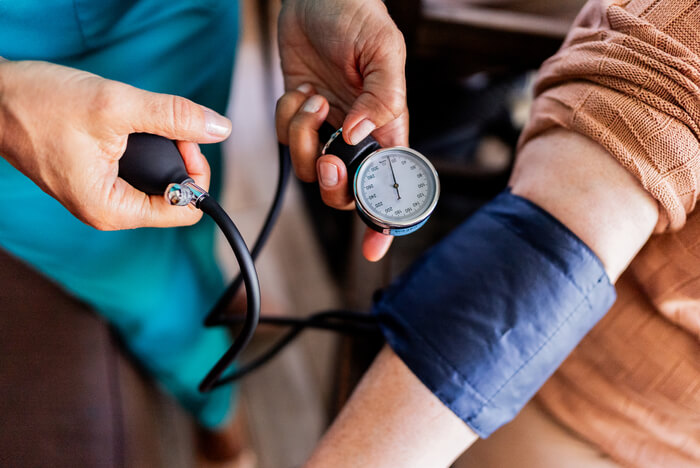 When it comes to overall wellness, a healthy heart is absolutely key. While many things can affect your cardiovascular health, high blood pressure is one of the most common – and concerning – risk factors. Often called the “silent killer,” it can quietly cause serious damage without obvious symptoms. Uncontrolled high blood pressure, also known as hypertension, poses serious health risks. It can raise your chances of heart disease, stroke and other life-threatening conditions. But the impact doesn’t stop with your heart – according to the Centers for Disease Control and Prevention, hypertension can also affect your brain, kidneys and eyes. Keeping your blood pressure in check is a crucial step toward staying healthy and helping you enjoy a longer, more active life.
What is high blood pressure?
Blood pressure measures the force of blood pushing against the walls of your arteries as your heart pumps. Your arteries are the essential pathways carrying blood from your heart to other parts of your body. When this pressure remains elevated over time, it strains the heart and arteries, potentially leading to damage. According to the CDC, blood pressure is considered normal when it is below 120/80 mm Hg. High blood pressure may be diagnosed when readings consistently exceed 130/80 mm Hg. Note that these figures are often reassessed. Be sure to check with your medical provider to find out what he or she recommends as a healthy blood pressure.
Why does high blood pressure matter for heart health?
Unchecked hypertension forces the heart to work harder than normal, which can thicken or stiffen the heart muscle. This adversely impacts the efficiency of the important work your heart does. Over time, this can lead to: Heart attack: Narrowed or blocked arteries reduce blood flow, risking heart muscle damage. Heart failure: The heart struggles to pump effectively, causing fatigue and fluid buildup. Stroke: Elevated pressure can cause arteries in the brain to clog or burst. Kidney disease: Damage to arteries can impair kidney function.
What are the risk factors for high blood pressure?
While age and genetics play a role, many lifestyle factors increase the risk of developing hypertension. These can include:
- Physical inactivity
- Excessive alcohol consumption
- Smoking
- Obesity and overweight
- Chronic stress
Strategies to manage and help prevent hypertension
While some risk factors – like age and family history – can’t be controlled, there are some things you can do to help lower your risk. These include*: Eat a healthy diet: Look for foods rich in potassium, fiber and protein. Also, limit your salt (sodium) and saturated fat intake. Exercise regularly: The physical activity guidelines for America recommends that adults get at least 2 hours and 30 minutes of moderate-intensity exercise per week, such as brisk walking or bicycling. That’s approximately 30 minutes a day, five days a week. Limit alcohol and quit smoking: These habits can raise blood pressure and damage blood vessels. Maintain a healthy weight: Losing even a small amount of excess weight can help. Manage stress: Techniques such as meditation, deep breathing and adequate sleep support overall heart health. Take medications as prescribed: For some individuals, lifestyle changes alone aren’t enough.
The importance of regular monitoring
Since high blood pressure often shows no symptoms, regular monitoring at home or with healthcare providers plays an important role in early detection and treatment. Managing high blood pressure is one of the most impactful ways to improve heart health and help prevent serious cardiovascular events and more. With consistent lifestyle changes, guidance from a trusted medical provider, and awareness, you can help to take control of your blood pressure. Prioritize your heart health today – awareness and even small lifestyle changes can potentially lead to a lifetime of benefits.