
A Step-by-Step Guide to Visiting the Emergency Department
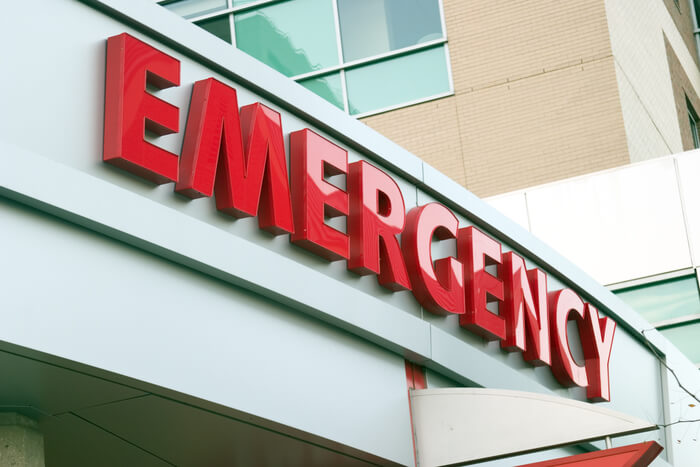 Heading to the emergency department (ED) can stir up a lot of emotions – uncertainty, worry, even a bit of fear. Whether you’re there for yourself or you’re bringing a loved one, knowing what lies ahead can make a world of difference. When you understand the process – from the moment you check in, to waiting your turn, to receiving care – you can approach the experience with a bit more calm and confidence. After all, emergencies are unpredictable, but being prepared doesn’t have to be. Emergency departments are designed to handle everything from relatively minor illnesses and injuries to life-threatening conditions. It’s a place where every second counts. That means the pace can sometimes feel overwhelming. This overview is designed to walk you through what you need to know before your visit. You’ll learn about the triage system, typical procedures and important tips to prepare. Some advance planning can help transform what can often feel like a stressful situation into one where you feel well prepared.
Arrival and registration
Upon arrival, the first step is typically registration. During this time, you will likely provide your personal and insurance information. This initial step is important for administrative purposes and for documenting your visit. It may seem quick, but efficient registration is essential to smooth care delivery.
Understanding triage: why wait times can vary
After registration, you will likely proceed to triage. This is an assessment done to help determine the urgency of your medical condition. It helps to prioritize your care based upon the severity of your illness or injury, as opposed to your arrival time. This means someone with a life-threatening injury or illness will be seen before someone with a minor complaint, even if they arrived later. While waiting can feel frustrating, it’s an important system designed to make sure that those who need immediate attention get it as quickly as possible. Wait times in the ED can vary widely based on things like the following:
- Severity of Cases: Patients with life-threatening conditions can expect to be treated first, regardless of arrival time.
- Crowding: An especially busy ED with many patients can naturally lead to longer waits.
- Diagnostic Testing: Some cases require lab work or imaging, which takes additional time.
- Complexity of Care: Patients with multiple or complex issues may need longer evaluation.
What to expect after triage
Once triage is complete, you will likely either receive immediate attention or wait in the designated area until a treatment room is available. Communication is key; do not hesitate to update staff if your symptoms worsen. Tips to help manage your ED visit
-
- Provide clear and honest information about your symptoms.
- If possible, be prepared to provide a list of medications and medical history.
- Be patient and understand that wait times reflect medical priorities.
- Ask questions if you are unsure about the process.
What are freestanding emergency departments?
Freestanding Emergency Departments (FEDs) are standalone facilities designed to provide close-to-home emergency care. They offer 24/7 services for a wide range of emergency conditions. FEDs are open around the clock and are equipped with on-site diagnostic tools, including things like X-rays, ultrasounds, CT scans and lab capabilities. By offering emergency care in convenient locations, you can head to an emergency facility closer to home. Visiting an Emergency Department means you can expect to undergo a process designed to prioritize and optimize care for all patients. Triage plays a vital role in this system by assessing urgency and helping to make sure those in greatest need receive prompt attention. While wait times may vary, they are driven by patient safety and medical necessity. For those preparing to visit or supporting loved ones through an ED experience, knowing what to expect can help reduce stress and lead to better outcomes.
In an emergency, call 911 or go to the nearest emergency room.