
This Simple Blood Test Can Tell You a Lot About Your Blood Sugar and Risk of Diabetes
 You may know your cholesterol numbers or keep an eye on your blood pressure, but there's another number worth knowing: your A1C. This simple blood test gives you a look at what your blood sugar has been doing over the past few months. And unlike a single blood sugar reading, it can help spot a problem that may otherwise go unnoticed. Knowing your A1C can help you understand your risk of prediabetes and type 2 diabetes. If you already have diabetes, it can also show how well your treatment plan is working.
What does A1C measure?
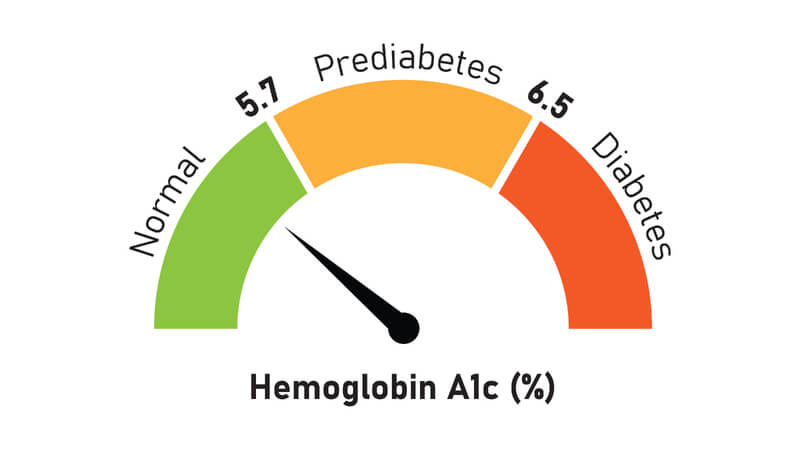
A1C, also called hemoglobin A1C or HbA1c, measures your average blood sugar level over about three months. When sugar enters your bloodstream, some of it attaches to hemoglobin, a protein found in red blood cells. The more sugar you have in your blood, the more that attaches to hemoglobin. Your A1C result is reported as a percentage:
- Below 5.7% is considered normal
- 5.7% to 6.4% is considered prediabetes
- 6.5% or higher is in the diabetes range
If your A1C falls in the diabetes range and you don't have symptoms, your doctor will usually repeat the test or use another blood sugar test to confirm the diagnosis.
Why is your A1C important?
A blood sugar test taken at one moment tells you what your level is right then. It can change depending on when you last ate, whether you exercised or even if you're sick or stressed. But your A1C gives you a bigger picture view. That makes it useful for finding blood sugar problems early, sometimes before you notice any symptoms. Prediabetes often has no obvious symptoms, so an A1C test may be the first sign that your blood sugar is creeping up. If you have diabetes, regular A1C testing can show whether lifestyle changes, medications or other treatments are keeping your blood sugar in a healthy range, which is important for lowering the risk of diabetes-related health problems.
What should your A1C be if you have diabetes?
There isn't one perfect A1C goal for everyone. For many people with diabetes, the goal is below 7%, but your target may be different based on your age, overall health, risk of low blood sugar and other medical conditions. Your doctor can help you decide what number is right for you and how often your A1C should be checked. Many people with diabetes get tested at least twice a year, although it may be needed more often if treatment changes or blood sugar isn't at goal.
Can your A1C result be misleading?
Some types of anemia, kidney or liver disease, recent blood loss or transfusions and certain blood disorders can affect A1C results. Pregnancy may also affect the test. If your A1C doesn't seem to match your other blood sugar readings, talk to your doctor. Another test may give a clearer picture. Getting your A1C tested is one of the best ways to keep track of your blood sugar and to spot changes that may indicate you have prediabetes or diabetes. It also helps determine if treatment is working if you've already been diagnosed with one of these conditions.
Copyright 2026 © Baldwin Publishing, Inc. Health eCooks® Heart Healthy Recipes® is a registered trademark of Baldwin Publishing, Inc. Any duplication or distribution of the information contained herein without the express approval of Baldwin Publishing, Inc. is strictly prohibited. Date Last Reviewed: September 16, 2026 Editorial Review: Andrea Cohen, Editorial Director, Baldwin Publishing, Inc. Contact Editor Medical Review: Perry Pitkow, MD Learn more about Baldwin Publishing Inc. editorial policy, privacy policy, ADA compliance and sponsorship policy. No information provided by Baldwin Publishing, Inc. in any article is a substitute for medical advice or treatment for any medical condition. Baldwin Publishing, Inc. strongly suggests that you use this information in consultation with your doctor or other health professional. Use or viewing of any Baldwin Publishing, Inc. article signifies your understanding and agreement to the disclaimer and acceptance of these terms of use.